Usual Parasites and Therapies: A Comprehensive Guide to Pest Control
Households usually face challenges from usual insects like cockroaches, rodents, and ants. These invasions can interrupt day-to-day live and pose health and wellness threats. Early detection is key, usually noted by obvious signs such as droppings or munch marks. Comprehending effective therapy choices and prevention approaches can protect homes. When specialist help might be needed, this guide checks out these facets and gives insight into. What steps can homeowners take to shield their spaces properly?
Identifying Typical Household Pests
Just how can one efficiently recognize common family parasites? The initial action involves observing the environment for indications of parasite activity. Typical family pests include ants, spiders, roaches, and rats. Each species displays unique qualities. Ants are commonly seen in trails, while roaches favor dark, damp locations. Crawlers can be recognized by their webs and special body shapes. Rodents, such as mice and rats, leave droppings and munch marks.
Furthermore, comprehending insect behavior is very important. Some bugs are nighttime, making nighttime assessments vital. Knowledge with their preferred environments help in identification; termites, for instance, are typically found near timber sources. Recognizing these qualities can assist in quicker identification and appropriate monitoring. Consequently, a keen eye and expertise of usual bugs' looks and practices are fundamental for properly determining home intruders.
Signs of Invasion
The presence of bugs in a home commonly exposes itself with different indications of problem. Property owners might observe droppings, which can vary in shapes and size relying on the insect varieties. Furthermore, gnaw marks on wood or food packaging show rodent task, while little holes in walls or furniture might recommend the presence of insects such as termites. Unusual noises, like scratching or humming, typically indicate an invasion hidden within ceilings or walls.
An additional indication is the existence of webs or nests, which can be located in edges or hidden areas. Unexplained damage to plants or food things may likewise aim to pest activity. Undesirable smells can arise from decaying parasites or their waste. Recognizing these indications early is necessary for efficient insect control, as timely intervention can avoid additional damage and mitigate wellness risks connected with problems.
Prevention Approaches
Once indications of infestation are identified, applying efficient avoidance methods ends up being essential to protecting a home against future pest problems. House owners need to initially concentrate on preserving cleanliness, as food debris and clutter attract insects. Routinely sweeping, vacuuming, and effectively keeping food can significantly lower the chance of problems.
Furthermore, sealing splits and gaps in walls, home windows, and doors assists avoid pests from getting in. Installing displays on windows and vents supplies another obstacle against undesirable intruders. Correct drainage and removing standing water eliminate breeding premises for bugs.
Landscape design methods also play a vital role; keeping bushes trimmed and keeping a clear limit in between plant life and the home can prevent insects. Informing household participants about these methods guarantees a cumulative effort in avoidance, making it far more challenging for bugs to gain a foothold within the home.
Efficient Therapy Alternatives
Dealing with an invasion needs a calculated strategy to guarantee effective treatment choices are used. Numerous methods exist, tailored to details pest kinds and the extent of the infestation. Chemical treatments, such as rodenticides and insecticides, are extensively used for their instant influence. However, these compounds must be used thoroughly, appreciating safety and security guidelines to safeguard pets and humans.
Biological controls, including natural killers and bloodsuckers, use an environmentally friendly alternative, decreasing chemical reliance. Pest Control Homestead. Integrated Insect Administration (IPM) integrates several methods, highlighting prevention and monitoring alongside treatment, which boosts lasting performance
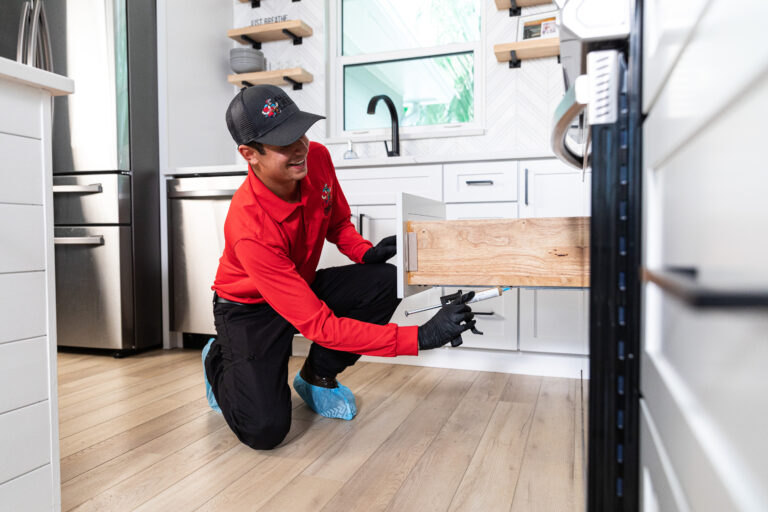
Physical obstacles, like catches and exclusion methods, offer non-toxic options for managing pests, especially insects and rodents. In instances of serious invasions, professional insect control solutions might be necessary, utilizing advanced strategies and knowledge to eradicate parasites effectively. Each treatment option ought to be assessed for its performance, security, and ecological effect to assure a balanced strategy to pest management.
Do It Yourself Insect Control Approaches
In the domain of bug control, DIY techniques can supply effective choices to industrial therapies. Natural treatments and homemade catches or baits supply eco-friendly options for handling parasite issues. These techniques not just reduce reliance on chemicals however additionally encourage individuals to take control of their living areas.
Natural Remedies for Bugs
Exactly how can house owners efficiently combat bugs without resorting to extreme chemicals? All-natural treatments supply a lasting alternative for parasite management. Crucial oils, such as peppermint and tea tree, can hinder insects when weakened and splashed around the home. Diatomaceous planet, a fine powder made from fossilized algae, can be sprayed in areas where bugs are widespread, causing dehydration in bugs that come right into call with it. Vinegar solutions function as efficient cleansers that also push back ants and spiders. In addition, growing pest-repellent herbs like basil and lavender can produce an all-natural obstacle against unwanted pests. By utilizing these all-natural methods, homeowners can maintain a pest-free setting while minimizing their exposure to unsafe chemicals.
Homemade Traps and Baits
For homeowners seeking additional ways to manage bugs without chemicals, homemade catches and lures offer an effective solution. These DIY techniques use usual house items, making them both green and affordable. An easy fruit fly catch can be produced utilizing a container filled up with apple cider vinegar and covered with plastic cover, punctured with small holes. This attracts and traps the flies, decreasing their populace. In a similar way, a mixture of borax and sugar functions as an effective bait for ants, luring them in while the click here borax disrupts their gastrointestinal systems. Home made catches can target different insects, including rats, insects, and even larger pests, offering homeowners with a practical choice to business insect control products.
When to Call an Expert
Establishing the appropriate moment to call a professional for bug control can be challenging. Homeowners often try to manage parasite problems individually, however certain scenarios warrant experienced intervention. It is suggested to look for expert aid if the invasion is comprehensive or has continued despite DIY initiatives. In addition, details pests, such as vermins or termites, require customized treatments that are best managed by experienced service technicians.

Those doing not have the time or knowledge to properly address the circumstance ought to think about getting professionals. Acknowledging these indications can assist in prompt and reliable parasite monitoring, guaranteeing a risk-free and comfortable living atmosphere.
Often Asked Concerns
Just How Can I Tell if My Bug Trouble Is Extreme?
To establish if a parasite problem is severe, one ought to observe the frequency of sightings, visible damages to residential property, indicators of invasion, and the existence of nests or droppings, suggesting a larger, continuous problem.
Are There Any All-natural Solutions for Bug Control?
Natural remedies for insect control include using essential oils, diatomaceous planet, vinegar, and soapy water - Pest Control Homestead. These remedies can prevent or get rid of insects without hazardous chemicals, appealing to those looking for eco friendly options for taking care of invasions
How Do I Securely Take Care Of Dead Vermin?
To safely take care of dead parasites, one must wear handwear covers, put the body in a secured bag, and discard it in the trash. Alternatively, some might choose to hide it at a risk-free distance from living locations.
Can Vermin Affect My Family Pets' Health?
Yes, parasites can negatively influence family pets' health. Problems may bring about illness, bloodsuckers, and allergies, potentially creating discomfort or significant health problem. Pest Control Homestead. Regular preventive procedures and veterinary examinations are important for keeping animals' health against parasites
What Is the Cost of Expert Parasite Control Services?
Specialist pest control services commonly vary from $100 to $300 per go to, depending upon variables like the kind of insect, extent of problem, and place. Recurring maintenance plans might sustain additional costs in time.
The existence of parasites in a home usually exposes itself via numerous indicators of infestation. Once indications of invasion are recognized, applying reliable avoidance strategies becomes important to protecting a home against future bug problems. Various methods exist, tailored to particular insect types and the seriousness of the invasion. In situations of severe infestations, professional pest control solutions might be essential, utilizing innovative strategies and knowledge to remove bugs effectively. Professional insect control solutions generally range from $100 to $300 per visit, depending on factors like the type of pest, severity of problem, and area.